Tax Agent Perth
 Tax Agent PerthTax Agent Perth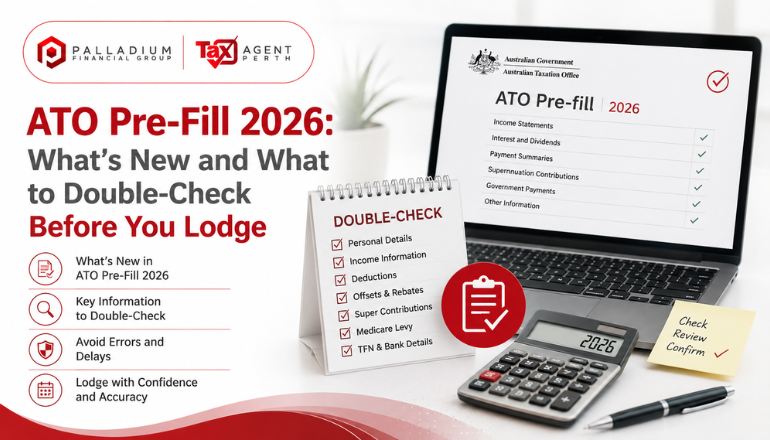
When you open your 2025–26 Australian tax return in myTax, you may find that some of your income information is already there. Your salary, bank interest, dividends, government payments, private health insurance details and other information can be pre-filled by the Australian Taxation Office (ATO).
But pre-filled doesn’t mean pre-checked.
The ATO collects information from employers, financial institutions, government agencies and other organisations to make tax time easier. However, you are still responsible for checking that the information is complete and correct before you lodge.
With tax time underway, understanding ATO pre-fill 2026 can help you spot missing income, incorrect information and unsupported claims before submitting your return.
ATO pre-filling automatically adds information that the ATO already holds about you to your online tax return.
Depending on your circumstances, this may include:
The information isn’t necessarily available all at once. Different organisations report information at different times, so your pre-fill can continue to update during tax time.
This means you shouldn’t assume that everything showing in your return on the first day is the final version.
The basic purpose of pre-filling hasn’t changed: the ATO provides information it already has to help taxpayers prepare their returns.
However, taxpayers still need to check their information carefully before lodging.
The ATO’s guidance makes it clear that pre-filled information should be reviewed and that taxpayers need to add income or other information that isn’t already included.
This matters particularly if you have multiple employers, investments, rental income, a side business or overseas income.
One of the biggest mistakes taxpayers can make is assuming:
“If the ATO hasn’t included it, I don’t have to declare it.”
That’s not how the system works.
The ATO can only pre-fill information that it has received. If an organisation hasn’t reported something yet—or the income comes from a source that isn’t automatically reported—you may need to enter it yourself.
This could include:
Your tax return should reflect your actual financial circumstances rather than simply the information displayed in the pre-fill section.
In some cases, yes.
The ATO receives information progressively throughout tax time. Some information may not be available immediately after the start of the financial year.
For example, your employer’s income statement may still be waiting to become Tax ready.
If you lodge before relevant information becomes available, you could potentially overlook income that should have been included.
This doesn’t mean everyone should wait for a particular date. Instead, check whether the information relevant to your circumstances has been reported before lodging.
Start with employment income.
If you changed employers during the financial year, make sure all relevant employment income is accounted for.
Check:
If something appears incorrect, compare it with your employment records before changing the information.
If you’re preparing a more complicated Individual Tax Return, reviewing every income source becomes particularly important.
Bank interest is another area worth checking carefully.
If you have multiple bank accounts, compare the information in your return with your bank statements.
Look at:
If the amount doesn’t match, don’t automatically replace the ATO figure. First work out why the difference exists.
Investors should carefully review pre-filled investment information.
Check whether you have:
Selling shares or other investments can require additional calculations, so a single pre-filled amount doesn’t necessarily mean your investment tax obligations have been completely dealt with.
If you received government payments during 2025–26, review the relevant information in your return.
Don’t assume every payment is automatically taxable or non-taxable. The correct treatment depends on the type of payment and your circumstances.
If the information appears unusual, compare it against your government payment records before lodging.
Private health insurance information may also be included in your pre-filled return.
Check that the policy information and relevant details are correct, especially if:
Errors in this section can affect the calculation of your tax obligations.
Pre-filling is mainly about information the ATO receives from other organisations. It doesn’t mean that all deductions you’re entitled to claim will automatically appear.
You still need to identify eligible expenses yourself.
Depending on your circumstances, these could include:
Before making any claim, make sure it meets the relevant Australian tax rules and that you have appropriate records.
If you need a broader tax deduction guide, review the available guidance before adding expenses to your return.
You can also use the site’s Tax Deduction Checklist to review common deduction categories before lodging.
Don’t ignore missing information simply because it isn’t displayed.
The ATO receives data from different sources at different times. Some information may appear later, while other income may never be automatically pre-filled.
For example, you may need to manually report:
Keep your own records and compare them with your tax return before lodging.
If an amount looks incorrect, investigate it before changing it.
Compare the information with your:
If necessary, contact the organisation that supplied the information.
For taxpayers with complicated circumstances, a registered tax agent can review the information and help determine how an issue should be handled.
Another misconception is that taxpayers don’t need records because the ATO already has their information.
You should still retain documents supporting the income and deductions reported in your return.
Depending on your circumstances, keep:
Your records provide evidence for information that may not appear in the ATO pre-fill.
Before submitting your return, look for:
These tax return mistakes can result in the need for an amendment or potentially lead to questions from the ATO.
A final review before lodging is usually much easier than correcting an error later.
For individuals who lodge their own tax return, the standard lodgement deadline is generally 31 October. The ATO confirms this deadline for taxpayers lodging their own returns.
However, your circumstances and whether you use a registered tax agent can affect your lodgement arrangements.
Before making assumptions about when your return is due, check the applicable tax return dates for your circumstances.
Avoid leaving your return until the last minute. Rushing can make it easier to overlook missing income or unsupported deductions.
If you haven’t lodged an earlier return, don’t simply ignore it while preparing your current return.
A late tax return can create additional compliance issues, particularly if the ATO has already contacted you about outstanding obligations.
Getting professional assistance can help you understand what returns need to be lodged and whether additional action is required.
A straightforward tax return may be relatively easy to complete yourself. However, professional assistance can be worthwhile if you have:
A tax agent Perth service can help review your circumstances, check the available information and prepare your return based on your actual financial position.
The benefit isn’t simply having someone press “lodge”. A good review can help identify information that may be missing from the pre-fill and potential issues before the return is submitted.
Before lodging your 2025–26 tax return, ask yourself:
ATO pre-filling can make tax time easier, but it isn’t a guarantee that your return is complete.
The ATO provides information it already holds to assist with preparing your return, but you remain responsible for checking that information and reporting anything that is missing.
For the 2025–26 tax year, take the time to review your pre-filled information, compare it against your own records and check your deductions before lodging.
If your circumstances involve investments, rental property, foreign income, multiple employers or previous tax issues, getting professional assistance can make the process much easier.
The goal isn’t simply to lodge your return quickly-it is to lodge an accurate and complete return the first time.